
Key Takeaways
- The right sandpaper depends on your wood type, project stage, and finish goals.
- Grit numbers matter: low grits remove material fast, higher grits smooth wood and prep it for finish.
- Choosing the right abrasive (garnet, aluminum oxide, ceramic, etc.) can make sanding easier and improve results.
- A proper grit progression creates a smooth, swirl-free finish without over-sanding or damaging the wood.
Use coarse sandpaper (40–60 grit) for heavy wood removal, medium grit (80–120) for smoothing and shaping, fine grit (150–220) for finish prep, and extra-fine grit (320–400+) for final touch-ups between coats. For most woodworking projects, a 3-step progression—80 grit → 120 grit → 220 grit—is the ideal starting point.
Introduction: Which Sandpaper to Use for Wood (The Only Guide You’ll Ever Need)
If you’ve ever found yourself standing in the sandpaper aisle at Home Depot staring at numbers like 60, 120, 220, 400, wondering if you accidentally walked into a math exam—you’re not alone.
I’ve been woodworking long enough to admit that, early on, I picked sandpaper based on one thing: whatever was on sale.
Spoiler alert—that method works about as well as using a butter knife as a chisel.
Choosing the right sandpaper is one of the fastest ways to improve the look and feel of any project. Whether you’re building a farmhouse table, refinishing cabinets, or sanding down a rough 2×4 that looks like it fought a bear, the right grit makes the job easier and the results smoother.
Let’s break it down the way I wish someone had explained it to me years ago—simple, practical, and based on real shop experience.
Understanding Sandpaper Basics Before You Start
What Sandpaper Grit Numbers Actually Mean
Grit = how coarse or fine the sandpaper is.
Here’s the breakdown:
| Grit Range | Purpose | Effect |
|---|---|---|
| 40–60 | Heavy removal | Cuts aggressively |
| 80–120 | General sanding | Smooths surfaces |
| 150–220 | Finish prep | Removes scratches |
| 320–400+ | Final touch | Ultra-smooth finish |
Lower number = rougher = removes material faster.
Higher number = finer = creates a smoother surface.
Different Abrasive Materials and Their Purpose
Garnet
- Great for hand-sanding wood
- Creates smooth finish
- Wears out quickly
Aluminum Oxide
- Most common
- Long-lasting
- Great for power sanding
Silicon Carbide
- Very sharp
- Best for sanding finishes, not raw wood
Ceramic & Zirconia
- Industrial-grade
- Removes stock fast
- Great for belt sanders
Sandpaper Backing Types Explained
- Paper – flexible, great for hand sanding
- Cloth – durable, perfect for power tools
- Film – consistent finish, used for fine sanding
- Sponge – contours, curves, tricky edges
Choosing the Right Sandpaper for Wood
Rough Sanding — Heavy Material Removal (40–60 Grit)
If your board looks like it was cut by a lumberjack with a hangover, this is where you start.
Use rough grit for:
- Removing saw marks
- Shaping edges
- Leveling uneven boards
Not for finish work—this stuff leaves scratches.
Medium Sanding — Smoothing the Surface (80–120 Grit)
This is the “workhorse” grit range.
Perfect for:
- Cleaning up after rough sanding
- Preparing wood for stain
- Removing small imperfections
Most projects start or pass through this range.
Fine Sanding — Finish Prep (150–220 Grit)
This is where wood starts feeling silky.
Use this grit range for:
- Pre-stain sanding
- Pre-paint sanding
- Removing swirl marks from the previous grit
For most woodworking, 220 grit is the sweet spot.
Extra-Fine Sanding — Final Touch-ups (320–400+ Grit)
Mostly used between finish coats:
- Light sanding between polyurethane coats
- Smoothing raised grain after staining
- Polishing finishes (not raw wood)
Going too fine on raw wood can actually hurt stain penetration.
Matching Sandpaper to Common Woodworking Tasks
For Raw Lumber and Rough Boards
Recommended: 60 → 100 → 150 → 220 grit
For Furniture Making & Cabinetry
Use a clean progression for smooth finishes:
- 80 grit
- 120 grit
- 180–220 grit
For Softwoods (Pine, Fir, Cedar)
Softwoods bruise easily.
Best grits:
- Start at 80
- Then 120
- Finish at 180 or 220
For Hardwoods (Oak, Maple, Walnut)
Hardwoods can handle more aggressive sanding.
Best grits:
- Start at 60 or 80
- Move to 120
- End at 180–220
For Removing Paint or Old Finish
Use:
- 40 or 60 grit (with caution)
- Aluminum oxide or ceramic abrasives
For Sanding Between Coats of Finish
Best choices:
- 320–400 grit paper
- Very light pressure
- Sand only to remove dust nibs
Different Sandpaper Formats and When to Use Each
Sheets (Hand Sanding)
Good for:
- Flat surfaces
- Light work
- Delicate projects
Sanding Sponges
Best for:
- Curves
- Round edges
- Trim & molding
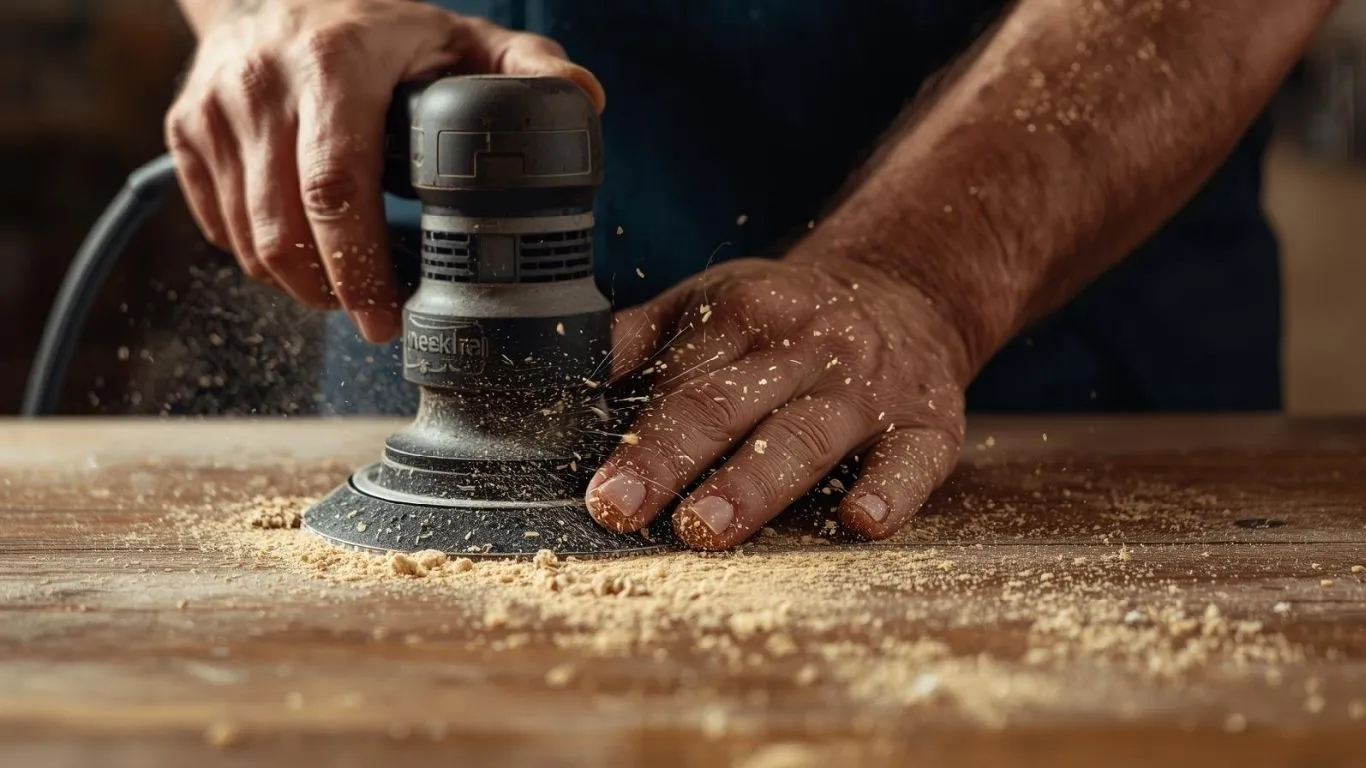
Orbital Sander Discs
Great for:
- Large surfaces
- Rapid material removal
- Even scratch patterns
Belt Sander Belts
Use on:
- Thick stock removal
- Leveling
- Hardwood preparation
Detail Sander Paper
Ideal for:
- Inside corners
- Tight spaces
- Decorative trim
How to Sand Wood Properly
Grit Progression Explained
Skipping grits leads to swirl marks—trust me, I learned the hard way.
Use smooth transitions:
80 → 120 → 220
Avoid These Common Sanding Mistakes
- Sanding against the grain
- Over-sanding edges
- Using worn-out sandpaper
- Jumping from low grit to high grit
Tips for Getting a Glass-Smooth Finish
- Make your final sanding pass with the grain
- Remove dust between grits
- Use a tack cloth before finishing
Sandpaper Recommendations Based on Real Use
Best Sandpaper for Hand Sanding
- Garnet for smooth finish
- Aluminum oxide for durability
Best for Power Sanders
- Film-backed
- Ceramic coated
- Hook-and-loop discs
Best for Finish Work
- Silicon carbide
- Fine-grit aluminum oxide
Most Durable for Heavy Removal
- Zirconia and ceramic abrasives
When to Replace Sandpaper
Signs it’s time to toss it:
- It feels smooth instead of gritty
- It leaves burn marks
- It gums up quickly
- It stops cutting efficiently
Worn sandpaper wastes time and overheats wood.
Frequently Asked Questions
Typically 180–220 grit.
Only lightly between finish coats, not after staining.
You can, but it’s designed for finishes, not raw wood.
Is sanding necessary before painting wood?
Yes—120 to 220 grit improves paint adhesion.
Yes. Over-sanding can thin edges or close wood pores.
Summary
Choosing the right sandpaper transforms your woodworking results. Start rough, move to medium, finish with fine—just like every pro in the shop does. Use the right abrasive, follow a simple grit progression, and your wood projects will look smoother, cleaner, and more professional every time.